Creating a cohesive bathroom decor is about more than color. It blends function, aesthetics, and personal style to create a space that feels calm and practical. This guide covers expert-approved ideas for elevating your bathroom decor with durable materials, smart storage, and lighting that supports daily routines.
Key Elements of Bathroom Decor
Color and Palette
Color sets the mood. Neutral bases with soft accents work well in bathrooms where moisture and odors are present. Consider a calm base like warm gray, beige, or ivory, with pops of color in towels, artwork, or accessories.
Materials and Finishes
Choose moisture-resistant materials such as ceramic tile, porcelain, natural stone, resin, or solid-surface countertops. Matte or satin finishes reduce glare and fingerprints. Metal hardware in brushed nickel, brass, or black adds contrast and durability.
Fixtures and Hardware
Consistency matters. Match faucet finishes to lighting fixtures and hardware for a cohesive look. If you are updating gradually, start with a focal piece like a vanity or sink and build around it.
Storage and Organization
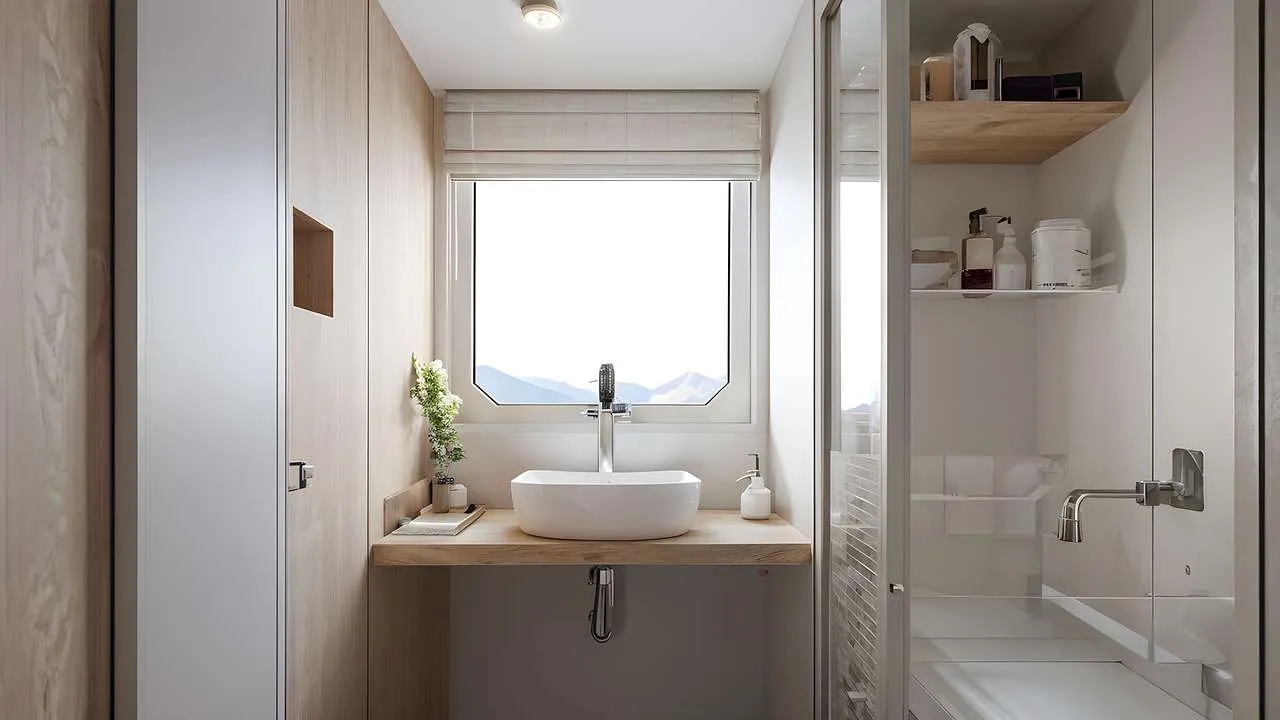
Smart storage keeps decor tidy. Recessed niches, wall shelves, and vanity drawers reduce clutter and improve usability, especially in small bathrooms.
Texture and Accessories
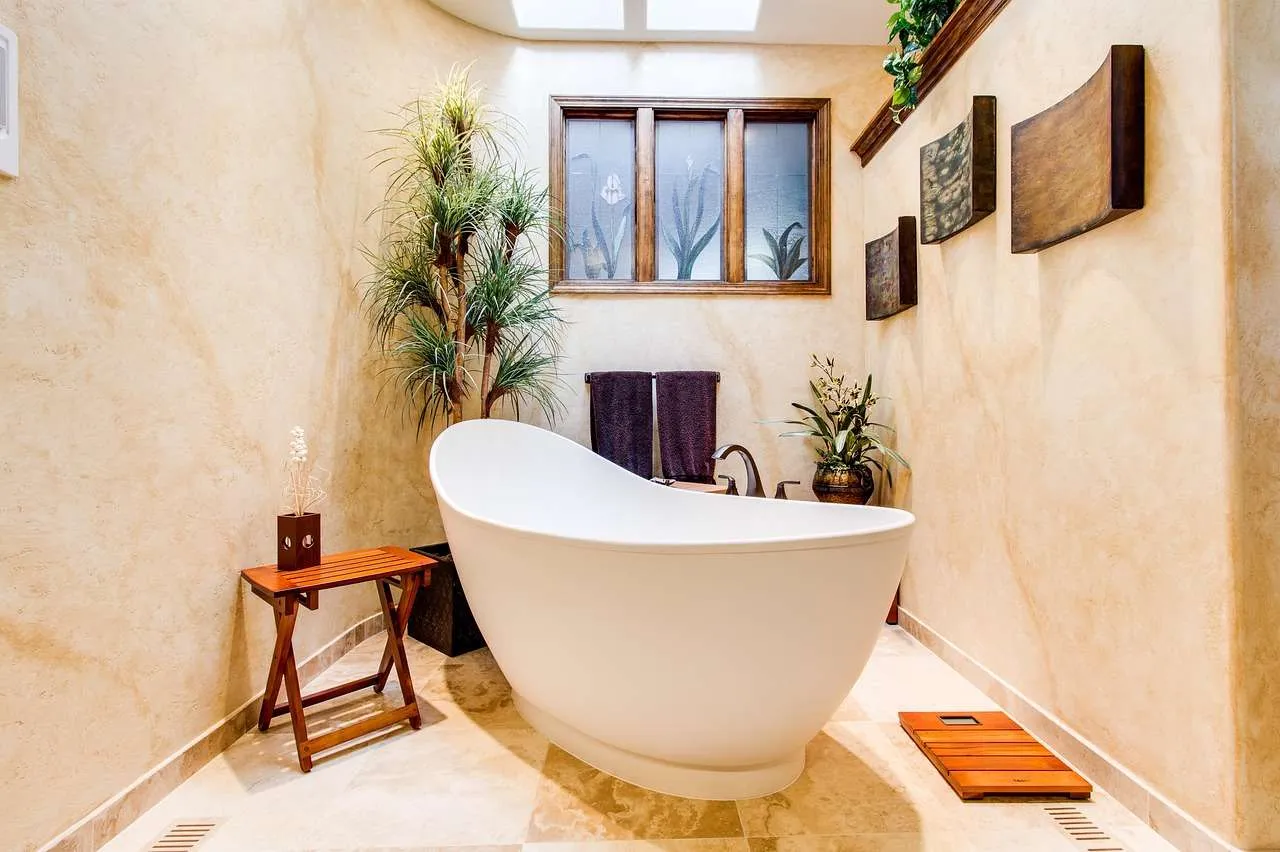
Mix textures such as wood, stone, and woven baskets to add warmth. Soft textiles, framed mirrors, and plants soften sterile surfaces and create a spa-like feel.
Color Schemes and Materials
Neutral palettes with layered textures create timeless bathroom decor. Add contrast with black hardware or a bold accent tile. Natural materials like marble, slate, or wood vanity tops bring depth, while glass shower enclosures reflect light.
Styles to Consider
Exploring styles helps translate taste into a practical layout. Modern emphasizes clean lines and minimal clutter. Scandinavian favors light woods, white walls, and cozy textiles. Traditional features classic detailing and warm woods. Rustic or farmhouse style brings character with distressed finishes and timber accents. Coastal and spa-inspired looks focus on light tones, airy textiles, and calm lighting.
Lighting and Accessibility
Layered lighting is essential. Use ambient ceiling light for general illumination, task lighting around mirrors for grooming, and soft accent lighting to highlight textures. Ensure pathways are well lit and hardware is easy to reach, especially for households with children or seniors. Consider moisture-rated fixtures and brighter bulbs in frequently used areas.
Budgeting and Planning
Plan in phases to manage costs. Start with a durable vanity and tiles, then upgrade towels, mirrors, and accessories. Compare price-to-value for fixtures and assume a 10–20 percent contingency for unexpected issues. Hiring a reputable installer or designer can prevent costly mistakes and deliver EEAT through proven processes.
Comparison of Popular Bathroom Decor Styles
| Style | Characteristic | Best For | Elements |
|---|---|---|---|
| Modern | Clean lines, minimal clutter | Small spaces, urban homes | Flat-panel vanity, large-format tile, concealed storage |
| Scandinavian | Light, airy, functional | Bright bathrooms, simplicity lovers | White walls, pale woods, soft textiles |
| Traditional | Classic details and warmth | Cozy, timeless spaces | Vanities with moulding, subway tile, brass hardware |
| Rustic/Farmhouse | Weathered finishes and character | Warm, inviting spaces | Wood vanity, natural stone, iron accents |
As you plan, remember that bathroom decor should reflect how you live. Functionality supports style, and durable materials protect your investment for years to come. Working with a qualified professional or accredited contractor can boost both safety and EEAT, ensuring that your project runs smoothly and meets local code requirements.
Conclusion
Conclusion, by focusing on durable materials, thoughtful storage, and layered lighting, you can craft bathroom decor that remains stylish and functional for years.