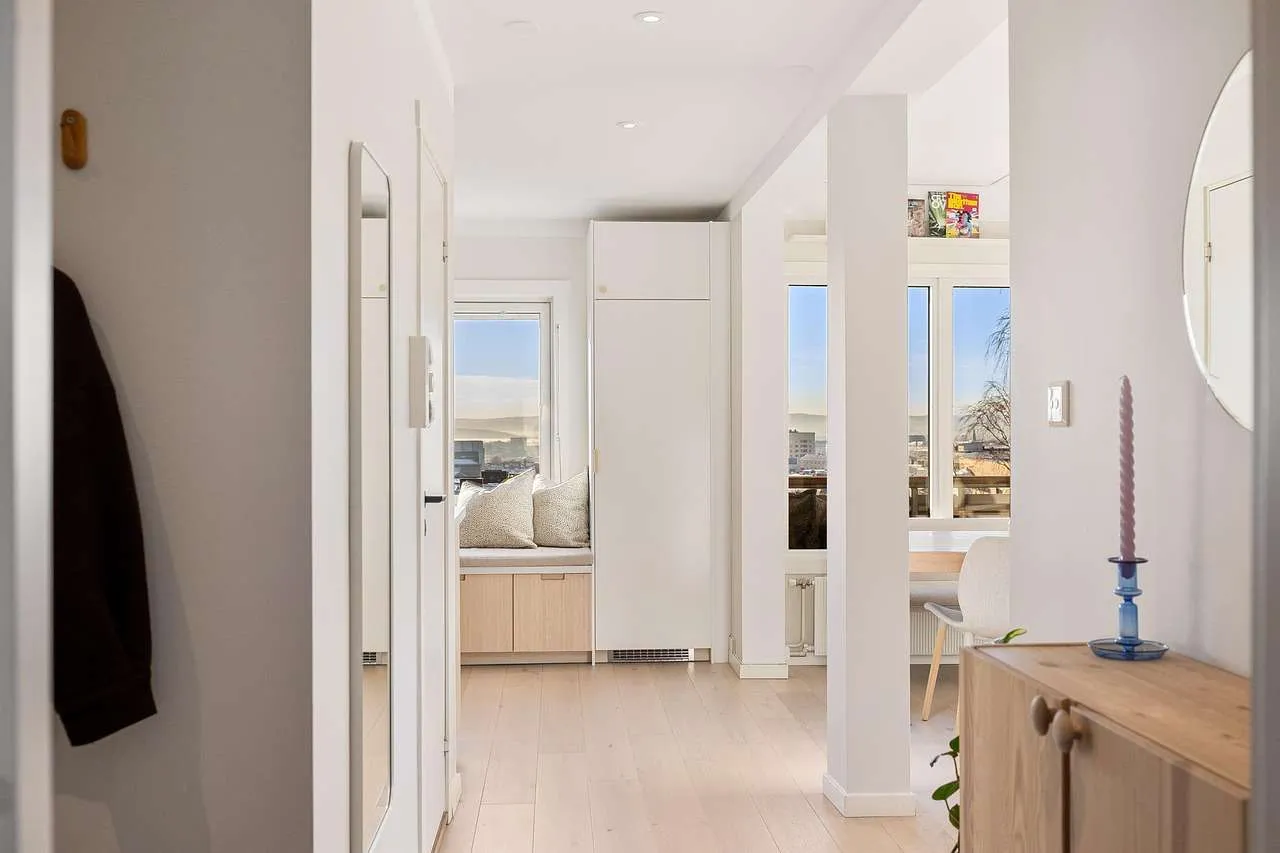
Understanding Home Window Tinting
Home window tinting involves applying a thin, clear or dyed film to interior glass to reduce heat, glare, and UV exposure. Modern films are designed to preserve natural light while enhancing comfort and protecting furnishings. For best results, work with a licensed installer who can assess your climate, window orientation, and building codes.
In addition to comfort, tinting can contribute to energy efficiency and long-term savings by reducing cooling loads. It also adds a layer of privacy during the day without completely sacrificing visibility from inside to outside.
Benefits of Home Window Tinting
Energy savings: Heat rejection lowers the workload on air conditioning, which can reduce monthly energy bills, especially on south- and west-facing windows.
UV protection: Most films block up to 99% of ultraviolet rays, helping prevent fading of floors, fabrics, and artwork, and protecting occupants from UV exposure.
Privacy and glare control: Tinted glass provides daytime privacy and reduces glare on screens and dashboards, improving comfort in living rooms and home offices.
Maintenance of interiors: By limiting heat and UV exposure, tinting can slow the aging of furniture, rugs, and counters, preserving a home’s interior aesthetic and resale value.
Types of Window Films
Window films come in several families. Here is a quick guide to help balance light, heat rejection, and cost. Professional installers can tailor the choice to your panes and climate.
| Film Type | Pros | Cons | Typical VLT | IR Rejection | Cost Level |
|---|---|---|---|---|---|
| Dyed | Inexpensive, good glare control | Less durable, may fade over time | 25–75% | Low | Low |
| Metalized | Excellent glare reduction, strong heat blocking | Possible interference with electronics if poorly installed | 25–70% | Medium–High | Medium |
| Ceramic | Strong heat rejection, non-metallic, maintains signal clarity | Higher upfront cost | 40–70% | Very High | High |
| Carbon | Good IR rejection, non-reflective appearance | Mid-to-high cost | 35–60% | High | Medium–High |
| Hybrid | Balanced performance and cost | Pricier than basic options | 30–60% | High | Medium–High |
Choosing the Right Tint for Your Home
Consider climate, sun exposure, room function, and interior style. If a room requires more privacy, a lower VLT can help; if you want to preserve natural light and color accuracy, a higher VLT with strong UV protection is often ideal.
Installation and Maintenance
Professional installation matters for a clean seal, consistent appearance, and warranty protection. Seek installers with documented training, proper licensing where applicable, and clear warranty terms. After installation, follow care instructions: avoid ammonia-based cleaners for several weeks, use mild soap and water, and dry with a microfiber cloth to prevent streaks.
Costs, ROI, and Legal Considerations
Costs vary by film type, window size, and labor. Expect a range that reflects performance, with higher-end films offering better heat rejection and longer warranties. ROI comes from lower cooling costs, faded furnishings, and improved comfort.
Some jurisdictions restrict reflectivity or require permits for certain windows. Check local building codes and HOA guidelines before purchasing or installing.
Comparison of Common Window Films
| Film Type | Best For | Pros | Cons |
|---|---|---|---|
| Dyed | Budget projects | Low cost, glare control | May fade over time |
| Metalized | High glare reduction | Great heat blocking | Possible electronic interference |
| Ceramic | High-performance homes | Strong IR rejection, non-metallic | Highest cost |
| Carbon | Non-reflective, durable | Good IR rejection, matte finish | Mid-to-high cost |
| Hybrid | Balanced performance | Good performance, moderate cost | Pricier than basic options |
Conclusion, investing in home window tinting is a practical way to improve comfort, protect interiors, and reduce energy use. By selecting the right film for your climate, hiring a qualified installer, and following care guidelines, you can enjoy lasting benefits from your tinting project.